Bags That Never Wear Out: What Jesus Meant by Sell and Give
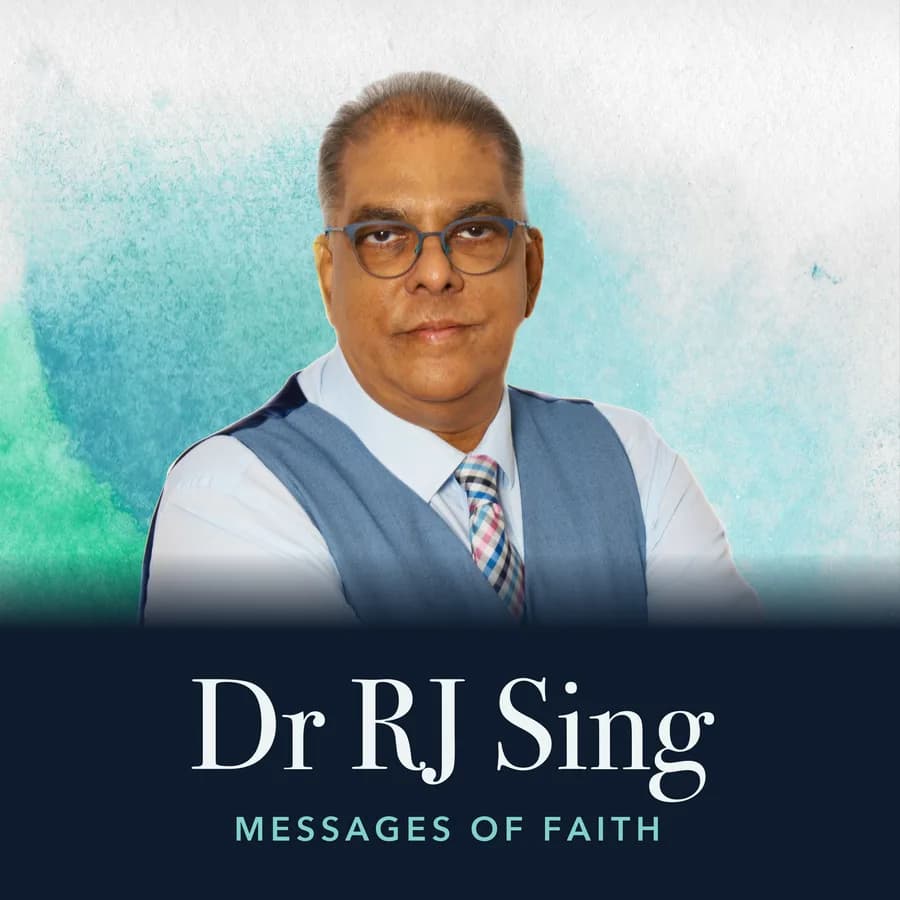
Dr RJ Sing, 46 min, Part 2 of The Kingdom of God
Originally recorded as “The Kingdom of God (April 2004)”
Sermon outline
You enter the kingdom now, by faith, and the way out of lack is not to wait for someone to give to you but to sow what you have, fill your heart with the Word and speak it over your circumstances.
Main text
- Luke 12:32-34
Opening
The recording begins mid-message. It is the second half of the teaching in 'The Kingdom of God', where he set out four questions and answered the first, what the kingdom is. He quotes 1 Corinthians 4:20, that the kingdom of God is not in word only but in power, and moves to the second question: what does it mean to enter the kingdom?
What it means to enter the kingdom: by faith, and now
Entering the kingdom is the language used of Israel entering the promised land, and it is done by faith, just as you received Jesus without seeing Him. It does not refer to the time when we die. You do not need money or healing in heaven; you need them on earth, so you come into the enjoyment of the kingdom here, with your mouth and your heart.
“You enter the kingdom of God now. Not in a future event.”
- 1 Corinthians 4:20
- Luke 17:21
What it means to receive the kingdom: it must first possess you
Receiving is passive, sitting and hearing the Word preached; entering is active. Before you possess the kingdom it must possess you: you declare Jesus as Lord and answer every bad report from that position. There must be a heavenly nature before there is a heavenly position. God honours the faith of those who chose to stay and hear.
Illustration: When the sun shines on flowers they must open. When God shines His light on your heart the life of God opens up, and people ask how you come to smell like roses.
“Before I can possess the kingdom of God, it must first possess me.”
- Matthew 9:29
- Proverbs 4:23
Forgive, release, move on
He guards his heart by refusing to hate or to sit and debate with those who hurt him: Jesus never told us to argue with our enemies. What you sow you reap, so give love to get love. The Bible does not ask who was right; it says forgive, and many are not walking in the fullness of God because they have not released others.
“The best way to heal a wounded heart is to forgive, release, move on.”
- Proverbs 4:23
- Matthew 12:30
- Galatians 6:7
- Matthew 6:15
- James 4:6
Submit to authority and keep tithing, whatever you have heard
God resists the proud, and refusing to submit is pride and rebellion. The principle of the kingdom is to submit to those who watch over your soul, whether or not you agree with them. In the same way the Word simply says bring the tithe; if a minister misuses it he answers to God, and you are still blessed. Your neighbour's sin does not take away your blessing: the wheat and the tares grow together until that day.
Illustration: When a traffic policeman gives you a speeding ticket you do not argue about what he did last night or whether he has paid his TV licence. He is wearing the uniform, so you submit to the authority. He also pictures himself taking the tithe money on a cruise to Mauritius: even if the gossip were true, the giver's instruction would not change.
“Now, whatever he's doing, he's accountable to God.”
- James 4:6
- 1 Samuel 15:23
- Hebrews 13:17
- Malachi 3:10
- Matthew 13:24-30
- Matthew 25:32-33
Jesus did not mean sell everything and join the ranks of the poor
It is the Father's good pleasure to give you the kingdom; you do not have to beg, cry or earn it. Read literally, 'sell your possessions and give to the poor' would only make you poor too, and the poor would spend the money and be poor again. When the disciples said the perfume should have been sold for the poor, Jesus defended the woman. What the poor need is the gospel preached to them, the good news that sets them free from poverty and lack.
Illustration: If he sold his cars and house for 500,000 rand and gave 50 rand to each poor family in Inanda and Phoenix, he would come home poor, they would spend it, and he would simply have joined them.
“The primary function of the church is to preach the gospel. The secondary thing is to help those that have need.”
- Luke 12:32-34
- Matthew 26:6-11
- Luke 4:18
Sell what you have and sow it: the principle of sowing and reaping
In context Jesus was telling the poor the way out: take something you have, sell it and sow it into the kingdom, and the one becomes two and the two becomes four. The poor man says 'give me', the miser says he would rather spend it on himself, and neither steps into God's way of doing things. He is not saying do not help the poor, but they will never know liberty until they learn to sow.
Illustration: A cabbage costs two rand, so even a poor man can bring one to the house of the Lord as his seed. Standing outside a running shower saying you believe in soap and water does not make you clean; you have to get in. A visiting preacher gave his struggling driver a hundred dollars to sow into two ministries, and three months later the man and his wife were both working and their financial problems were over.
“Believing is one thing but acting on your belief is another thing.”
- Luke 12:33
Bags that do not wear out: your heart, filled with the treasure of the Word
Handbags and briefcases wear out, so Jesus could not have meant those. The bag that does not wear out is the inward man, the heart, which is renewed day by day, and the treasure that does not fail is the Word of God. You put it there with your tongue, the pen of a ready writer, confessing the Word until your heart is full and you can say 'I'm rich' before anything has changed.
Illustration: He borrows a bag from someone in the congregation: after a while it tears and is thrown away, and he buys a new briefcase every two or three years.
“Place in your heart the word of God which is treasure.”
- Luke 12:33-34
- 2 Corinthians 4:16
- Matthew 13:44-46
- Jeremiah 1:12
- Isaiah 55:11
- Romans 10:8
- Psalm 45:1
- Joel 3:10
Spirit controls matter, and greater authority controls lesser authority
He closes with two principles. The spiritual controls the material, so put the treasure in your heart and work God's system. And greater authority controls lesser authority, so what God says will come to pass. The onus to change your circumstances is yours: with your mouth, from a heart filled with the Word.
“Your mind and voice are vehicles of your will that transmits the spirit into the environment.”
Putting it into practice
- Enter the kingdom now by faith instead of waiting for heaven.
- Forgive, release and move on; do not sit and debate with those who hurt you.
- Submit to the authority God has placed over you and keep tithing regardless of gossip.
- If you are in lack, find something to sow rather than waiting for someone to give to you.
- Fill your heart with the Word by confessing it, then speak it to your circumstances.
Closing
There is no closing prayer on the recording. He sums up that if you want to get, you sow, while most people look for someone to give to them, and the tape ends mid-thought on the words 'This is amazing.'
In his words
- “You enter the kingdom of God now. Not in a future event.”
- “There must be a heavenly nature before there's a heavenly position.”
- “The best way to heal a wounded heart is to forgive, release, move on.”
- “Believing is one thing but acting on your belief is another thing.”
- “Place in your heart the word of God which is treasure.”
Every scripture in this message
- 1 Corinthians 4:20
- Luke 17:21
- Matthew 9:29
- Proverbs 4:23
- Matthew 12:30
- Galatians 6:7
- Matthew 6:15
- James 4:6
- 1 Samuel 15:23
- Hebrews 13:17
- Malachi 3:10
- Matthew 13:24-30
- Matthew 25:32-33
- Luke 12:32-34
- Matthew 26:6-11
- Luke 4:18
- 2 Corinthians 4:16
- Matthew 13:44-46
- Jeremiah 1:12
- Isaiah 55:11
- Romans 10:8
- Psalm 45:1
- Joel 3:10