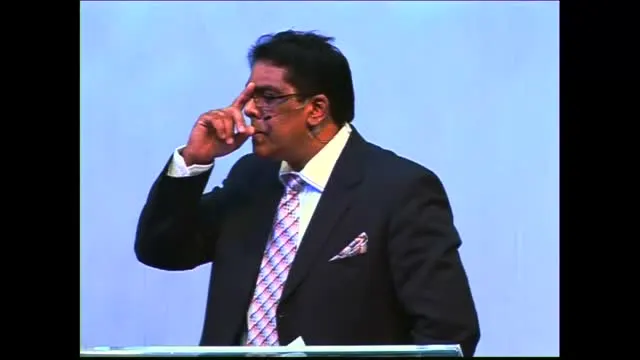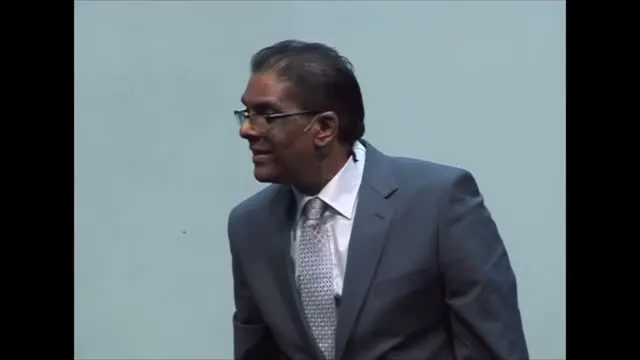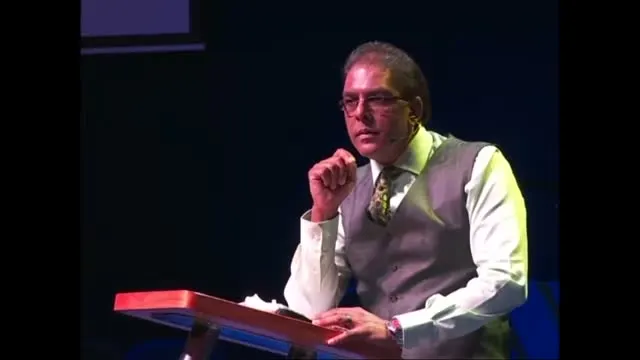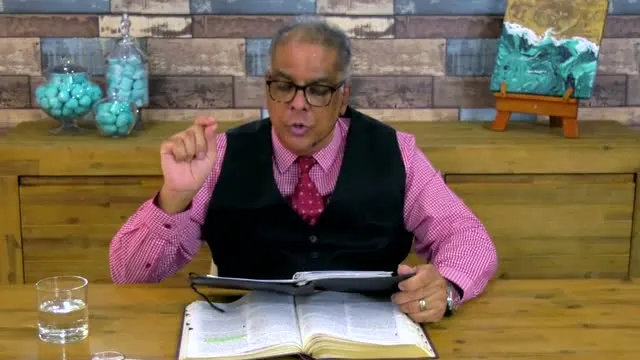
Durban, 1961
So poor the poor called us poor
Roshan Sing was born in Durban on 5 May 1961 and brought up a Hindu. His parents separated when he was five, and his mother, a housemaid, raised five children on her own. He went to school without shoes, and at lunchtime he stood in the queue at a Catholic school for jam bread and black tea.
From about the age of twelve he worked while he studied. He sold newspapers on street corners and loaded Daily News trucks through the night in Gale Street for three rand a night, and he saved that money for two years to buy his first bicycle. He was a runner who won his races, and a teacher once told him he would amount to nothing. It was at school, at sixteen or seventeen, that he began going out with Zubeda, the girl who would become his wife.
“We were so poor, the poor called us poor. And I remember we used to eat out of tin plates.”
His early twenties
Go find a pastor
He joined the police as a young man because he needed a job, before he had finished school. He and Zubeda were married on 24 February 1980 and began married life with almost nothing. They lived in a single room, got around on the green PUTCO buses and managed on a small police salary. Zubeda had been brought up a practising Muslim.
Still a Hindu, he had begun to ask that if there was a true God among all the gods, that God would show himself. One day, studying alone at home for an exam, he heard a voice. He drove around the area until he found an evangelist, and he gave his life to Jesus Christ. When he asked Zubeda to come to church with him that Sunday, she said yes. Soon afterwards he was filled with the Holy Spirit at a Reinhard Bonnke meeting.
He was the first Christian in his family, and it cost him: some of his relatives could not understand why he had changed religion. The Bible, which had made no sense to him before, came alive the day he was born again. Years later, worshipping in church, he heard God speak to the hurt of growing up without a father.
“God said to me, never mind, you never had a father. He says, but I am the best father you would ever have. Just that word set me free.”
Twenty years in the police
From constable to colonel
He studied part-time for most of his working life: first his matric, then a law degree, and finally earned doctorates in theology and philosophy. He was commissioned as a lieutenant at 23. His work took the family to Johannesburg for eight to ten years, where he headed detectives at a police station, and he rose through captain and major to full colonel by the age of 35.
In Johannesburg the family attended Rhema in Randburg for ten years, driving about 50 kilometres every Sunday. He read all of Kenneth Hagin's books, then Kenneth Copeland's, and went to every conference he could. Back in Durban, while he held a senior rank, he served in his church as an usher and a cell leader, sweeping the building after three services and scraping chewing gum from under the seats. At crime scenes he would pray under his breath, and he credited his success in the police to the name of Jesus.
“I had success because of the name of Jesus. That was my secret.”
The mid-1990s
“I'm leaving”
The call to preach came as a voice: God was calling him into the ministry. His private ambition was to become a general in the police, the pastors he knew were struggling, and he told God that ministry could never pay what he could earn outside. He let it slip by. About two weeks later he fell ill at an officers' function and spent two weeks in hospital with a fever the doctors could not explain. They did not expect him to live. A pastor friend came and anointed him with oil, and he recovered. In his heart he knew the fever had come from resisting God.
Back in Durban, soon after another promotion, the voice came again: leave. He put his car keys on his desk, phoned Zubeda at Coca-Cola in Phoenix to come and fetch him, and told his superior, who said they had great plans for him, that he was going. For the next few years he sold cars, served as an area leader in his church and waited for the door into ministry to open.
“It was my private ambition to become a general in the police.”
2000
A pulpit in the garage
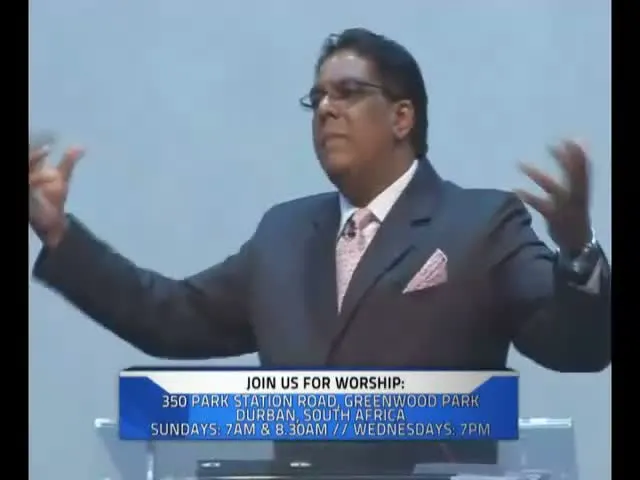
The decision to start a church came in the car on Umhlanga Rocks Drive. He told Zubeda he thought they would start a church, and the power of God fell in the car. She wept and prophesied, and they drove right past their turn-off, all the way to the Sharks Board. In 2000 Faith in the Word Ministries began in their garage. He preached in a suit, behind a pulpit, to a congregation of three: Zubeda and their sons, Wesley and Adrian.
He did not split a church or take anyone's members; his pastor prayed over the family and released them. Within two weeks there were 20 people. They moved to a school hall, then to Constantia Park, where people heard angels singing in the services, and then bought a hundred-year-old church building in Avoca when the church had 40 to 60 people and no money. He and Zubeda paid for it themselves. He cleaned the toilets and raked the yard before going home to pray, and Zubeda drove the church combi after work to pick people up.
Next came the North Coast Road building, where the family lived on the second floor above the church, paid off in nine years. Then an old cinema in Greenwood Park became the church's home at 350 Park Station Road. Every move cost the family something. They sold their house, Zubeda sold her car and gave from her pension, and they put their own savings into the buildings. He never forgot who had carried it with him.
“Had it not been for mom, my wife, that stood with me in ministry and made the sacrifices that she made together with me, we would have not gone or come this far.”
Television and the nations
From Greenwood Park to the world
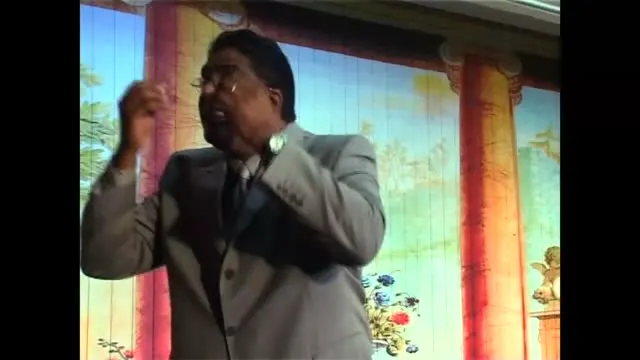
With only 60 people the church went on television, one of the first churches in KwaZulu-Natal to do so. He preached that Sunday with the invoice for the cameras under his shoe, and two weeks later the equipment was bought. His programmes, Life in the Spirit and later Faith Worx, ran for about fifteen years and reached homes across the globe.
He held crusades in the Durban City Hall and tent meetings in Phoenix, Umlazi, Newcastle and beyond, and the church planted about thirteen churches, which he released with his blessing. He preached in Swaziland, where 25 deaf people were healed in one meeting, and in Zambia and America. He named the three anointings on his life as healing, financial blessing and teaching the Word of God.
“We saw phenomenal miracles: the blind eyes opening, the deaf hearing, the cripple walking.”
Books and Faith Chronicles
Pick up a pen
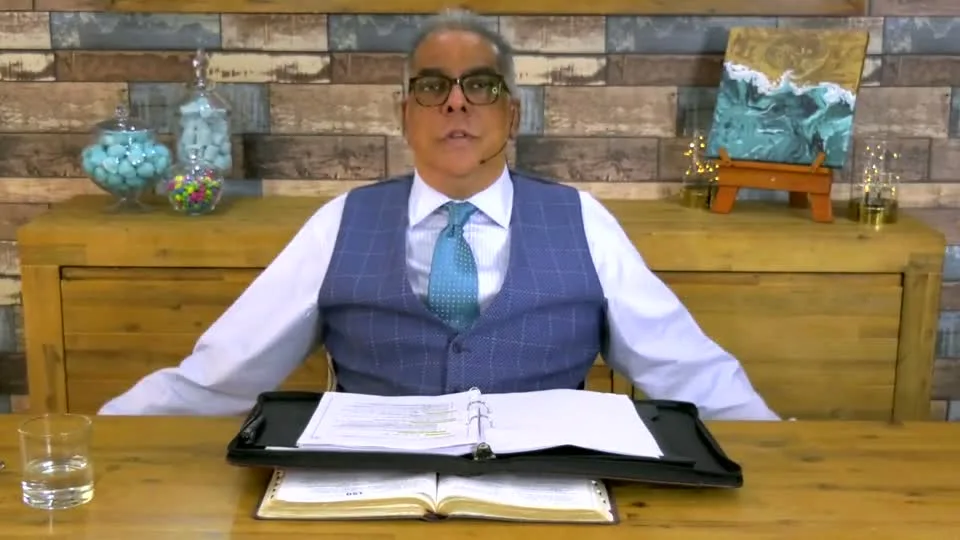
His writing began in prayer. Sitting in his study one day, he felt the Spirit of God fall on him and heard the Lord tell him to pick up a pen and write. He wrote at least 30 books, every one of them first by hand, on faith, healing, prayer, prosperity and the new life in Christ, among them Talk Back to the Devil and the New Man series. Pastors in India and America told him they preached from them.
From 2007 he wrote Faith Chronicles, the church's monthly daily devotional, every month for seventeen years, until his passing. Pastor Zubeda Sing continues it today.
“One day I was sitting and praying in my study and all of a sudden the Spirit of God fell on me and the Lord said to me, pick up a pen and start to write.”
2022 to 2024
Passing the mantle
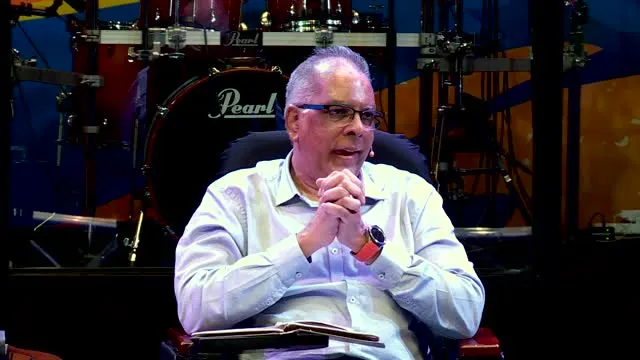
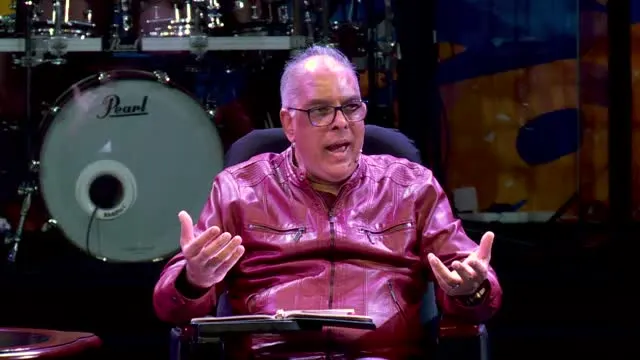
During the pandemic, on Sunday live-streams, Pastor Wesley sat down with his father and asked him to tell his story. Those conversations are the source of much of this page. In them he spoke of his vision that Wesley would take the ministry to the next level.
On 4 September 2022 he handed the church to his son, Pastor Wesley Sing, at a handover service, and he still came back to preach after it. Dr RJ Sing went home to be with the Lord on 16 June 2024, Father's Day, at the age of 63. His family and church honoured his life at a Graduation Service on 22 June 2024.